
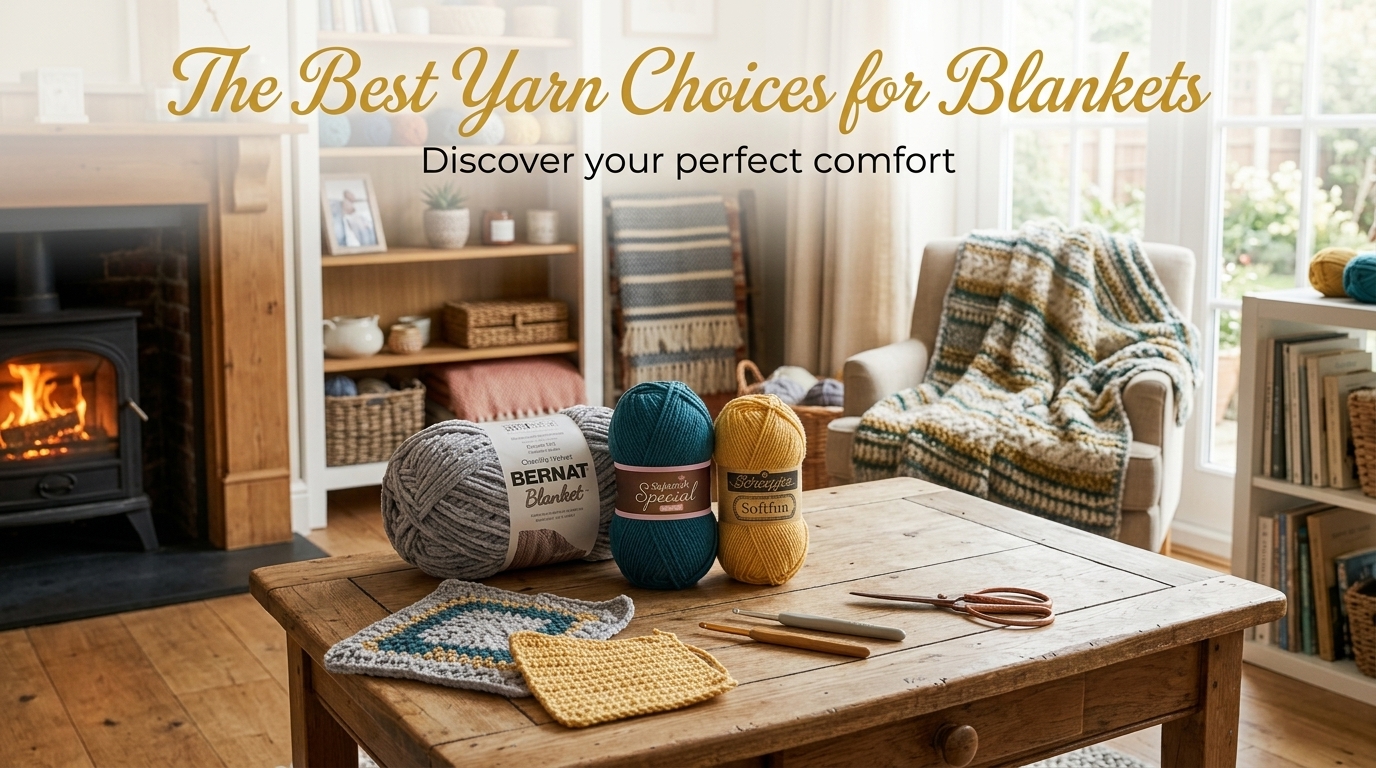
If you have ever spent sixty or seventy hours crocheting or knitting a project, only to pull it out of its very first washing cycle looking like a felted, frizzy mess, you know a specific kind of heart-wrenching pain. Finding the best yarn choices for blankets isn’t just about picking pretty colors—it’s about ensuring your hard work survives real life.
Blankets are a serious commitment. They demand miles of yarn, endless cozy evenings on the couch, and a lot of love. Picking the wrong skein right at the start can lead to heavy pilling, awkward stretching, or a throw that is simply too scratchy to use.
Whether you are making a delicate baby blanket, a heavy winter throw, or a daily couch cover, this guide breaks down the top yarn fibers so your finished project stays soft and durable for years.
We don’t just stitch yarn into blankets we weave comfort into memories that keep our favorite people warm for years
What Makes the Best Yarn Choices for Blankets?
Before falling in love with a colorway at your local yarn shop, evaluate three practical factors: durability, washability, and weight.
A cozy blanket takes a beating. It gets dragged from the sofa to the bed, wrapped around kids, slept on by pets, and occasionally spilled on. If your yarn requires delicate hand-washing and laying flat to dry, ask yourself honestly: Will I actually do that for a full-sized blanket?
For most blanket projects, worsted weight (Category 4) or bulky (Category 5) yarns hit the sweet spot. They build up at a reasonable pace without making the blanket feel like a heavy, suffocating lead apron.
As you move toward the midpoint of the article, this paragraph provides an opportunity to connect earlier ideas with new insights. Use this space to present alternative perspectives or address potential questions readers might have. Strike a balance between depth and readability, ensuring the information remains digestible. This section can also serve as a transition to the closing points, maintaining momentum as you steer the discussion to its final stages.
Wrapping Up with Key Insights
In this concluding paragraph, summarize the key takeaways from your article, reinforcing the most important ideas discussed. Encourage readers to reflect on the insights shared, or offer actionable advice they can apply in their own lives. This is your chance to leave a lasting impression, so make sure your closing thoughts are impactful and memorable. A strong conclusion not only ties the article together but also inspires readers to engage further.
The Top Contenders: Yarn Types Ranked
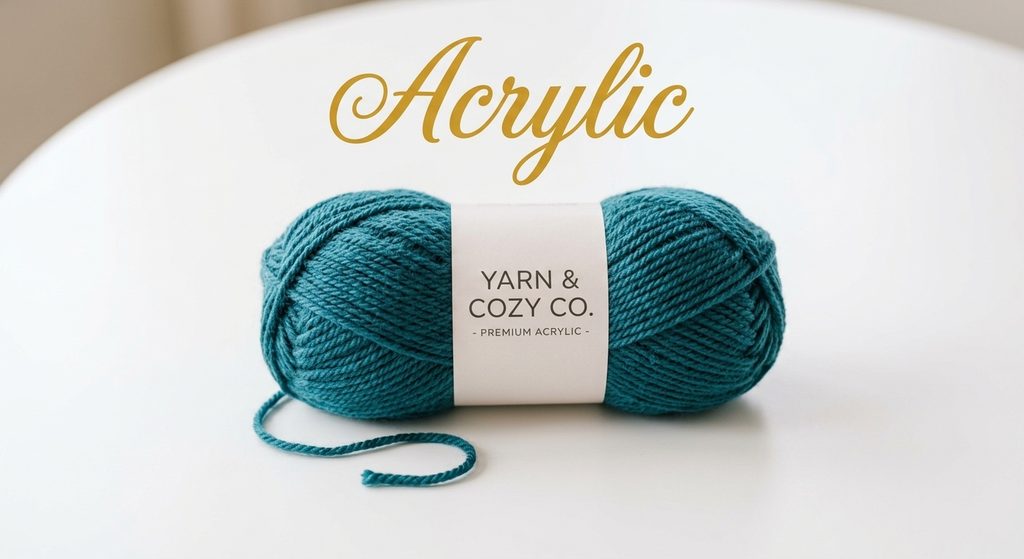
1. Acrylic (The Undisputed King of Utility)
There is a reason seasoned crafters keep coming back to good quality acrylic for throws and baby blankets. It’s budget-friendly, incredibly durable, and you can toss it into the washing machine without a second thought.
- The Good: Unbeatable ease of care, massive color selection, and budget-friendly.
- The Bad: Cheap acrylic can feel scratchy or stiff.
- Pro Tip: Look for “anti-pilling” or premium acrylics like Stylecraft Special DK, Paintbox Yarns, or Lion Brand Hearty/Vanna’s Choice. They soften up remarkably well after a quick wash with fabric softener.
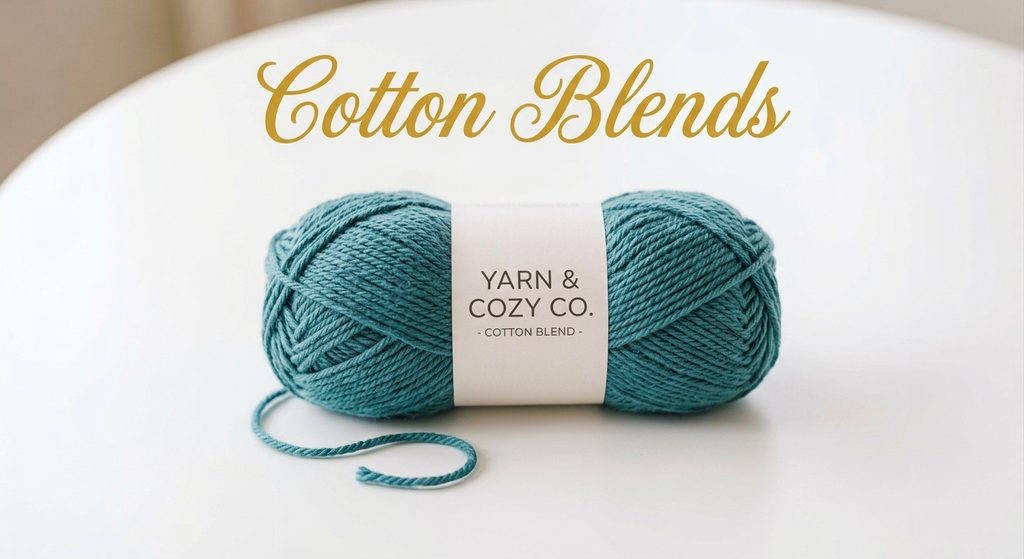
2. Cotton Blends (Cool, Crisp, and Structured)
If you live in a warmer climate or want a blanket that won’t make you sweat, 100% cotton or cotton-acrylic blends are fantastic. Pure cotton can get quite heavy, but a 50/50 Cotton-Acrylic blend gives you the best of both worlds: breathable comfort with lightweight bounce.
- The Good: Breathable, crisp stitch definition, non-irritating for sensitive skin.
- The Bad: Pure cotton lacks elasticity, which can tire out your hands during long stitching sessions.
- Best Choice: Blends like Scheepjes Softfun or Berroco Comfort.
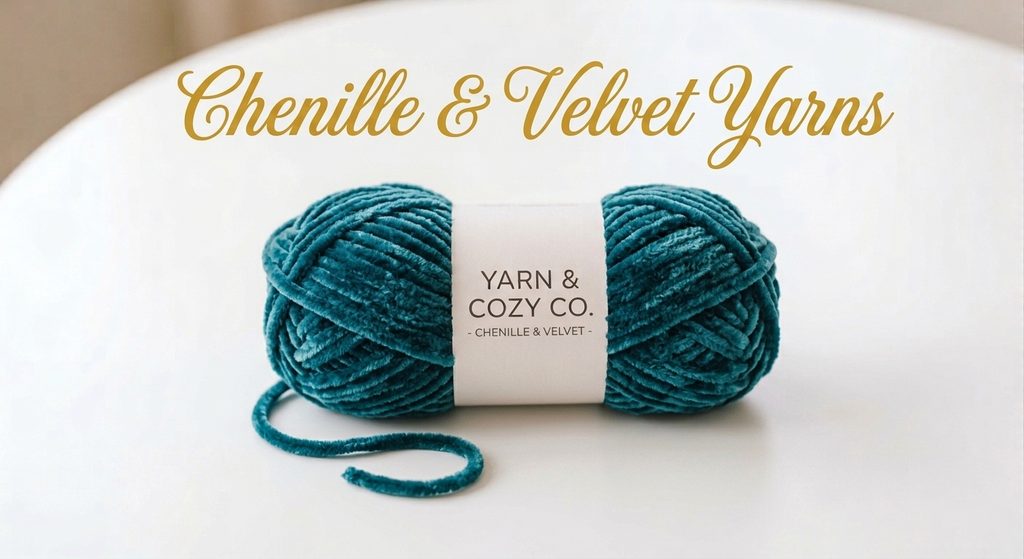
3. Chenille & Velvet Yarns (Pure Snuggle Factor)
Jumbo chenille yarns (like Bernat Blanket) have taken over the crafting world recently, and it’s easy to see why. They work up in a flash and feel luxuriously soft against the skin.
- The Good: Super quick to work up, incredibly soft, and thick.
- The Bad: Can be tricky to work with—”worming” (where loose loops pop out of stitches) can happen if your tension isn’t tight enough.
- Best For: Quick gifts, chunky winter lap blankets, and floor poufs.
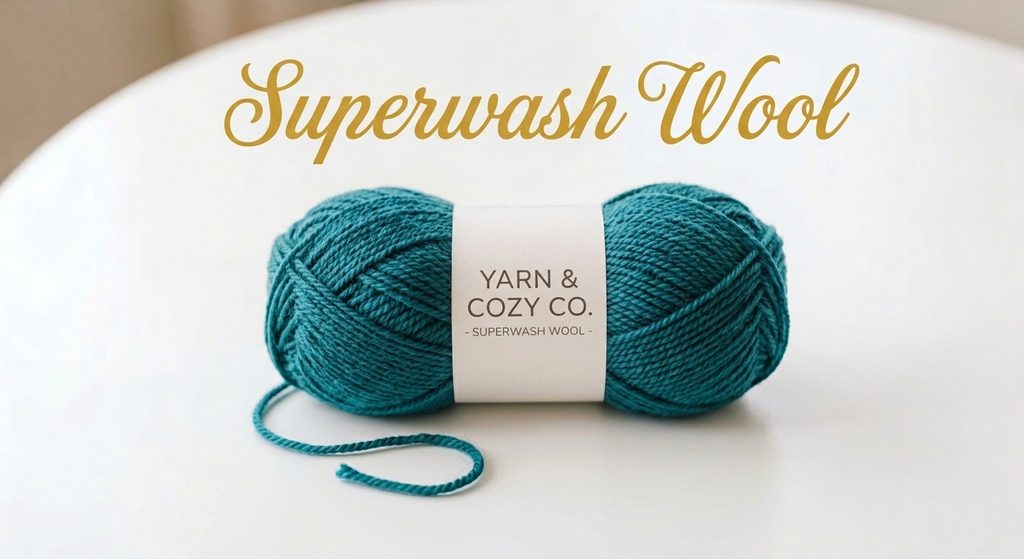
4. Superwash Wool (For Pure Luxury & Warmth)
If you want natural fibers without the hassle of hand-washing, superwash merino wool is the gold standard. It has been chemically treated so the fibers won’t felt when washed.
- The Good: Exceptionally warm, natural breathability, gorgeous drape.
- The Bad: Expensive for large projects and can stretch out if dried hanging.
Real Talk: Yarns You Should Avoid for Blankets
- Single-Ply / Roving Yarns: They look stunning in photos, but roving yarn pills almost immediately and sheds fibers everywhere. After a week of use, it will look like an old sweater.
- 100% Non-Superwash Wool: Unless you plan to dry-clean your blanket, one accidental trip through a warm wash cycle will shrink it down to doll size.
- Rough, Cheap Acrylics: Life is too short to work with scratchy yarn that squeaks on your hooks or needles.
Wrapping Up with Key Insights
At the end of the day, the “best” yarn depends on who the blanket is for:
- For Babies & Toddlers: Go with anti-pilling acrylic or a cotton blend. Easy to wash, soft, and durable.
- For High-Traffic Family Sofas: Premium acrylics or thick chenilles hold up best against daily wear and tear.
- For Special Heirloom Gifts: Superwash merino or high-end cotton-blend yarns create that unforgettable luxury feel.
Take a moment to think about how your blanket will actually be used before making your buy. Pick a fiber that suits the lifestyle, grab your favorite hooks or needles, and enjoy every single stitch.
Happy stitching!
Leave a Reply